Every year, our scientists and patient advisory group identify the studies and topics creating the most impact for people living with arthritis.
Uncover Our Focus for 2026Ongoing and completed studies across our full research portfolio, from prevention and treatment to care and health systems.
Explore Our ResearchMeet the scientists, clinicians, trainees, and patient advisory board members, driving discoveries
Meet Our TeamArthritis Research Canada's scientists and trainees regularly present new findings that advance arthritis prevention, treatment, and care.
Browse Conference AbstractsPeople living with arthritis guide our research priorities, shape study design, and ensure our work reflects real life.
Support Arthritis Research Canada with your time and skills. Whether you want to help at an event or host your own, there is a place for you here.
Living with arthritis? Explore open studies looking for participants and help shape the future of arthritis care.
Your experience with arthritis matters. Sharing it helps others feel less alone and brings the human reality of arthritis into everything we do.
Reason For Research
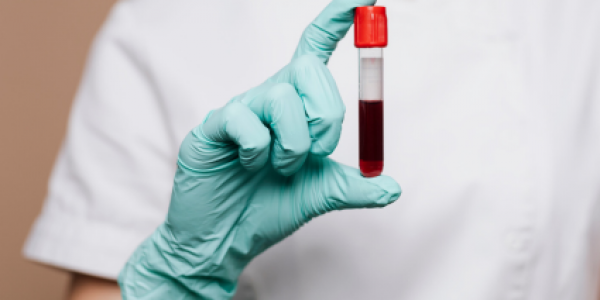
Sporadic inclusion body myositis (sIBM) is a muscle disease that’s hard to diagnose because many patients don’t have clear biomarkers (detectable indicators in their blood). Currently, diagnosis relies on invasive muscle biopsies. Delays in diagnosis can result in patients who have severe disability by the time a diagnosis is made. To improve diagnosis and understanding of sIBM, we used advanced machine learning and mass spectrometry techniques to look for new biomarkers—specific proteins or antibodies that could help identify the disease.
Execution of Research
We tested blood samples from 10 sIBM patients using a special array – HuProtTM – a tool for mapping antigen-specific immunity to find new autoantibodies (immune system proteins that mistakenly attack the body). We analyzed blood and muscle tissue samples from sIBM patients to discover new proteins associated with the disease, using a method called mass spectrometry. We used statistical methods and machine learning to pick out the most important biomarkers that distinguish sIBM from healthy controls. We also explored how these biomarkers might be involved in the disease development process, focusing on immune response, inflammation, and muscle degeneration.
We identified many new autoantibodies and proteins from the tests. Some key findings include:
We also found that processes like cell death, immune response, and inflammation are more active in sIBM patients compared to healthy controls. There were also changes in how muscle contractions and related processes work in sIBM.
This information may help us diagnose SIBM earlier and improve our understanding of how it develops. These findings need to be tested in more patients before they can be used in clinical practice.
We are working to confirm our findings by testing the new biomarkers in a larger group of sIBM patients.