Every year, our scientists and patient advisory group identify the studies and topics creating the most impact for people living with arthritis.
Uncover Our Focus for 2026Ongoing and completed studies across our full research portfolio, from prevention and treatment to care and health systems.
Explore Our ResearchMeet the scientists, clinicians, trainees, and patient advisory board members, driving discoveries
Meet Our TeamPeople living with arthritis guide our research priorities, shape study design, and ensure our work reflects real life.
Support Arthritis Research Canada with your time and skills. Whether you want to help at an event or host your own, there is a place for you here.
Living with arthritis? Explore open studies looking for participants and help shape the future of arthritis care.
Your experience with arthritis matters. Sharing it helps others feel less alone and brings the human reality of arthritis into everything we do.
Episode Description:
Falls are a major health care problem for older adults. They account for 50 per cent of injury-related hospital admissions, 40 per cent of nursing home admissions, and a 10 per cent increase in home care services.
Many adults over age 65 with arthritis are also physically frail, which increases their risk of falling.
More than 6 million people in Canada have arthritis and the number of older adults in the country is expected to grow to 10.4 million by 2037.
We are working to find ways to prevent serious falls in this vulnerable, growing population.
Content and Topic of Research
One in five older adults (age 65+) living in the community fall every year and 10-15 per cent of these falls result in injuries that require emergency department visits. Six per cent lead to hospital admissions. About 40-50 per cent of older adults with osteoarthritis are physically frail, which increases the risk of falls.
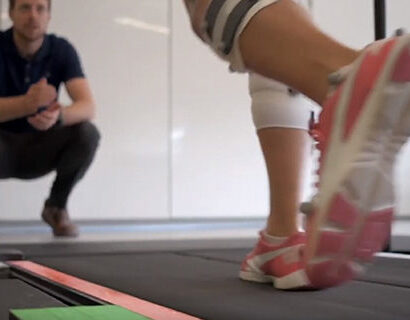
The Otago Exercise Program was developed by a group of researchers at the University of Otago in the 1990s and consists of strength and balance training delivered by a physiotherapist. There is strong evidence that it can reduce falls in older adults, but only 25 per cent of people who start the program, continue with it over time.
We’re developing and testing a new strategy for physiotherapists to better support older adults to continue with the Otago Exercise Program over time. This includes counselling techniques, as well as the use of an app so participants can record and easily share their progress with their therapists.
Physical activity is the most promising strategy to help older adults prevent falls. With the number of people in Canada, aged 65+, expected to grow to 10.4 million by 2037, stopping falls that cause serious injuries will become increasingly important.
“We know that the Otago Exercise Program works, but only if people do it,” said Dr. Linda Li, Senior Scientist at Arthritis Research Canada and Principal Investigator on the Falls Prevention Study.
Our research is all about developing a strategy to help older adults continue with the Otago Exercise Program over time so they can receive all of its benefits.
A lot of older adults who start the Otago Exercise Program, for one reason or another, are not able to continue with the prescribed exercises, so we’re testing a strategy to support physiotherapists in helping older adults to set goals and develop a plan that’s realistic for them.
Dr. Linda Li
Senior Scientist, Arthritis Research Canada
Dr. Linda Li is a Senior Scientist at Arthritis Research Canada and Professor and Harold Robinson/Arthritis Society Chair at the Department of Physical Therapy, University of British Columbia. She also holds a Canada Research Chair in Patient-oriented Knowledge Translation.
Dr. Li’s research focuses on the integration of digital tools in rehabilitation, including the use of wearables and apps to promote physical activity in people with arthritis, and in older adults to prevent falls. Her work in knowledge translation and implementation science has led to a new line of studies on strategies for engaging with patients and the public in the research process.
For people living with arthritis, there is no “typical” day. Pain and fatigue can change based on medications, sleep, diet, amount of exercise and so much more. However, symptom tracking is one way to take control.
“Information is power, and for people with arthritis, the information is within themselves,” said Arthritis Research Canada’s Senior Scientist, Dr. Linda Li. “Being able to have everything recorded and see the full picture is really useful in terms of managing a person’s disease and overall health.”
If you want to start tracking your arthritis symptoms and daily activities, please review the frequently asked questions, videos, articles and other resources below.
Anyone over age 65.
Fifty per cent of falls happen at home.
In older adults, arthritis often coexists with frailty and that leads to a higher risk of falls. We know that about 40-50 per cent of older adults with osteoarthritis are physically frail and, in people who are frail, the risk of falls is higher.
Physical frailty is a collection of symptoms that usually includes loss of muscle mass and weakness. People may unintentionally lose weight – for example, 10lbs in a year without trying. They may feel fatigued, move slower and be less active. An older adult is defined as having frailty when they have three or more of these symptoms happening at the same time. Frailty by itself is a condition. It can get better or worse. Physical activity is a promising strategy to help people move from being frail to more robust.
When someone has a fall, it’s important for them to have a strategy to prevent future falls. That’s why the Otago Exercise Program is such an effective intervention. It has been shown to reduce the risk of future falls in people who fell in the past.
The Otago Exercise Program was developed by a group of researchers at the University of Otago in the 1990s. It has been evaluated by researchers around the world showing that it helps to reduce the risk of falls in older populations. The program has two components: strength and balance exercises and walking. It’s a standardized set of exercises that is prescribed, tailored for older adults and is to be done three times per week. Short walks are to be done twice a week.
Physiotherapists deliver the Otago Exercise Program. It involves 4-5 home visits and, at the first visit, a therapist does the assessment and prescribes exercises. At a follow-up visit, exercises are tailored and changes may be made as the person is able to do more. Between those visits, participants receive phone calls to make sure they’re doing okay. This happens in the first six months. In the subsequent six months, older adults receive a monthly phone call to check on their exercise program.
Otago is a robust exercise program and it’s tailored for individuals to help them improve muscle strength and balance. The program has been shown, over the last 20 years, to help reduce the risk of falls. One of the studies done in British Columbia showed that exercise programs can reduce falls by over 50 per cent in older adults who are frail and have fallen in the past.
Only 25 per cent of people who start the program, continue with it over time.
People may not continue with the Otago Exercise Program for a variety of reasons. For example, they might not have time, they may forget, or they struggle to remember the specific exercises.
We’re testing a strategy to support physiotherapists who deliver the program to help older adults set goals and develop an exercise plan that’s realistic for them. We’re also testing the use of an app that will allow older adults to see their exercise program, follow it and record it as they finish. A therapist at the other end will then be able to see the progression of the exercise over time. The ultimate end goal is to prevent falls.
Physical activity is very important. It’s good for fall prevention and general health. For people with arthritis, in particular, exercise helps keep muscles and bones strong. It also lowers the risk of other conditions that are related to arthritis like heart and lung disease.
We should always be thinking about fall prevention.
For residents of British Columbia, the Physiotherapy Association of BC can help.
It is a good idea to break up sitting time during the day. This is a good example how it can be done.
It is best to check directly with the clinic. There may be other programs available to those younger than 65.
We recruit from the Vancouver Falls Prevention Clinic. To access the service, you need a referral from a geriatrician.
The Otago Exercise Program is usually delivered by a physiotherapist or a nurse at the person’s home. In British Columbia, it is mainly delivered by physiotherapists. You can get a referral from a geriatrician to a PT who does home visits and delivers the program in your area.
The Otago program is not designed for a specific age group, but for people who are at a high risk of falls, including those who had a recent fall. Many of these individuals are frail, older adults.
In the Falls Prevention Study, we collaborate with the Vancouver Falls Prevention Clinic to provide training for the Otago Exercise Program to physiotherapists who are interested in participating in the study.
Make sure pathways, halls and stairways are well lit and free of clutter. Grab bars in the bathroom can be useful for getting off toilet seats or in/out of bath tubs. You may wish to consult with an occupational therapist for further advice.
Arthritis can sometimes get in the way of daily activities. If this is the case for you, it is a good idea to consult with a physiotherapist who has experience working with people with arthritis for your specific needs. To find a physiotherapist in British Columbia, visit the Physiotherapy Association of BC.
It is best to have a health professional assess you first so that the exercises are safe for you.
To participate in a study at the Falls Prevention Clinic, one needs to be referred for a fall risk assessment and/or a comprehensive geriatric assessment.
It is sometimes hard to multi-task. Slow down and avoid multi-tasking when walking up/down stairs/curbs. An assessment by your doctor or physiotherapist can be helpful if you are concerned about your risk of falling.
Some physiotherapists and other professionals are trained to deliver the Otago Exercise Program, many of them work in the community because the program includes several home visits. The best way to find out is to ask the health professional if they deliver this program.
Yes, there are tests that your health professionals can do to assess your muscle strength, mobility and balance to determine fall risks. There are also established criteria to assess physical frailty. In addition to the items mentioned, health professionals will also assess things like weight loss, physical activity level, and energy level to determine where a person is at in the continuum from a robust health state to frailty.
It is important to have your medication reviewed by your doctor or pharmacist when you often experience dizziness.
It is correct that the guidelines recommend no more than eight hours of sitting/rest time in the day. But it is certainly a good idea to keep the sedentary time low and break up sitting during the day.
GLAD is excellent for people with hip/knee osteoarthritis to keep active.
Yes, pool exercise is good for people with arthritis.
Standing exercise is great for bone strength but there is also good evidence that lifting weights, even when seated, can help to strengthen bone.
The key is to find something that you like to do and do it with a friend/family member.
Research has shown that pets, especially walking with dogs, is an effective way to increase your physical activity.
Falls on ice are the top cause of sport and winter injury hospitalizations in Canada, according to the Canadian Institute for Health Information. The latest data shows that 8,532 people slipped on ice between 2017 and 2018. This is more than double that of cycling, the second most common cause of sport and winter injury hospitalizations. There is strong evidence that the Otago Exercise Program – involving strength and balance training delivered by a physical therapist – can reduce falls in adults over age 65.

Each year, 30 per cent of seniors have at least one fall — half of whom fall more than once. In fact, nine out of 10 hip fractures result from falls. These falls can have dire consequences, 20 per cent lead to death and a further 20 per cent are admitted to care homes for the balance of their life. Fortunately, falls are preventable.
The Falls Prevention Clinic is a referral-based clinic that specializes in preventing falls and fractures among adults aged 65 years and older. Our mission is to identify the reasons why our patients fall, and to address these risk factors in collaboration with family physicians, specialists, and evidence-informed best-practice medicine.
The Mary Pack Arthritis Program has a wide variety of health care providers and services to help people with different types of arthritis manage and treat their physical and psychological symptoms. They give patients access to physiotherapists, occupational therapists, nurses, social workers and more.
Canada’s first ever 24-Hour Movement Guidelines for Adults offer clear direction on what a healthy 24 hours looks like for Canadian adults aged 18-64 years and 65 years or older. These guidelines are unique because they don’t just focus on a single movement behaviour, but instead look at how all these integrate together. This is the first time there are recommendations on various types of physical activity woven together with guidance on sedentary and sleep behaviours for these age groups.
Anyone can fall, but the risk of falling becomes greater with age. There are a number of simple steps you can take in and around your home to help prevent falls and the injuries caused by falling.
Falls are the leading cause of injury for seniors. One in three British Columbians over the age of 65 will fall once every year, and falls are the main reason why older adults lose their independence. Many falls can be prevented, and there are many resources available to help to keep seniors injury-free. In addition to providing information resources, the ministry supports the prevention of falls by working with health care professionals, injury prevention experts, and the public. Learn more about how you can prevent falls.
Did you know that everyone is at risk for falls, no matter what your age? Falls can happen at home or in the community. We have a number of resources, including a brochure, a home activity program and clinic available to help you understand and avoid falls.
All Canadians play a role in preventing falls. The Fall Prevention Month website offers some great resources.
Your opinion matters. Tell us what you thought of this episode and webinar.