Doug's Story

A way forward after years living with gout

At just 28 years old, Doug Park experienced some of the worst pain of his life. After spending the day cutting his lawn, he went to bed only to find that he couldn’t put any weight on his foot.  

A trip to the emergency room followed, where doctors initially suspected a broken bone or torn ligament. When X-rays ruled those out, gout was eventually identified as the cause. 

At the time, Doug knew very little about the condition. He could not have imagined how much it would affect his life over the next decade. 

When gout changes everything

In the years following his diagnosis, Doug experienced recurring gout attacks that affected nearly every aspect of his life. An active person, he enjoyed playing hockey, coaching his children’s teams and spending time outdoors with his family. But gout often forced him to change or cancel those plans. 

“I remember experiencing such frustration, stress, anxiety, fear and also helplessness as I was dealing with my symptoms early on,” Doug recalls. “It affected almost every aspect of my life.” 

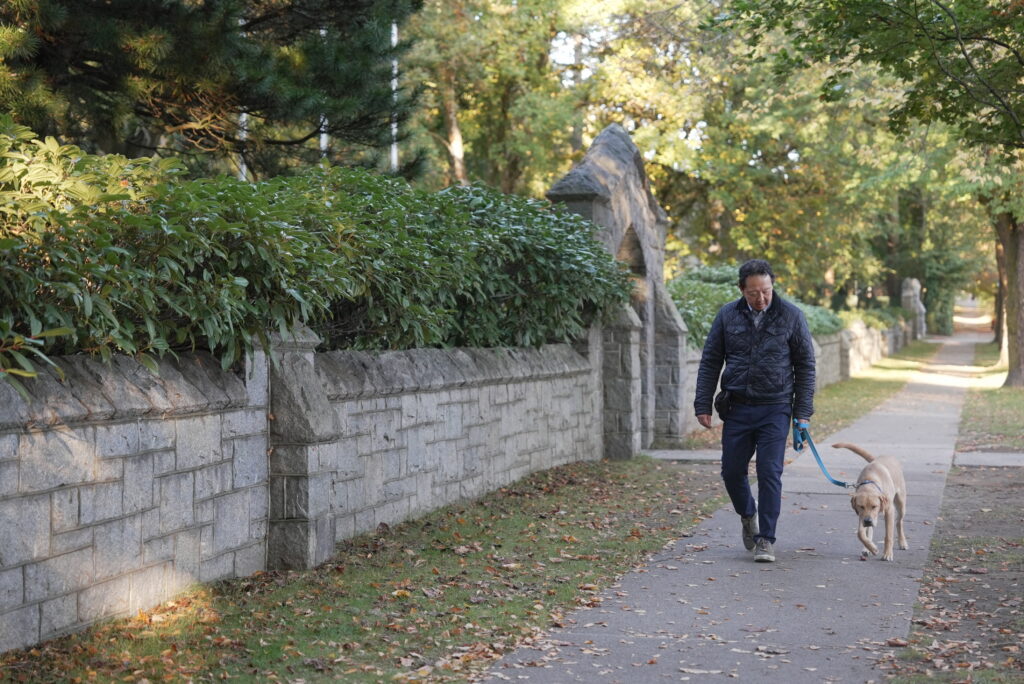
He remembers taking his family to the zoo, only to experience an attack that left him unable to walk. To make it through the day, he had to borrow an accessible motorized scooter. On other occasions, he couldn’t join his children on hikes or step onto the ice to coach their hockey practices. The final straw was when he realized he couldn’t walk his dog for longer than half an hour.   

“That was it for me,” he says. “I saw that I couldn’t do this alone.” 

Determined to manage his condition, Doug initially focused on changing his diet and lifestyle. For about 10 years, he followed a vegetarian or pescatarian diet, researching foods to avoid and experimenting with different sources of protein. 

But finding the right balance was difficult. Foods he assumed were safe sometimes seemed to trigger attacks, while restricting his protein intake led to muscle loss and other challenges. Even meal preparation became complicated, with Doug sometimes making a separate meal for himself while his family ate together. 

Finding a sustainable treatment plan

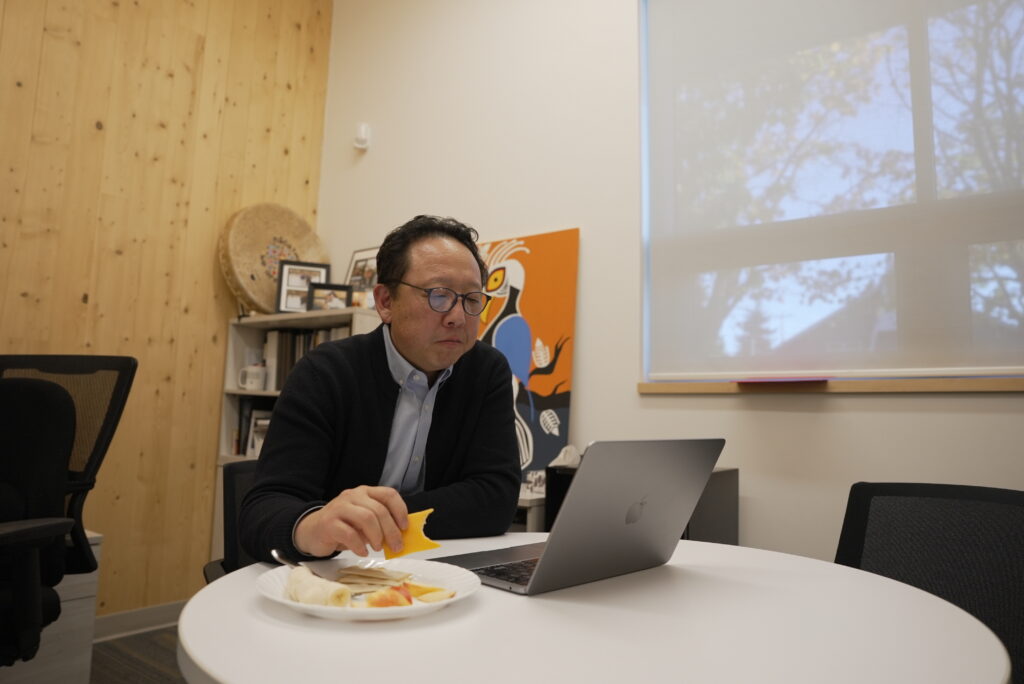
Doug began working with his rheumatologist, Dr. Kamran Shojania,  to develop a treatment plan for his gout. Finding the right approach took time. After discovering he was allergic to a commonly prescribed gout medication, he switched to an alternative. Regular blood tests helped them monitor his uric acid levels and adjust his medication. 

As his treatment began to work, Doug faced another unexpected challenge: learning to trust food again. After years of associating certain foods with painful attacks, even reintroducing protein sources he had avoided was difficult. 

“I was looking at a piece of steak, and I couldn’t eat it because I associated that flavour to the pain of gout,” he recalls. “It took me a long time.” 

Gradually, he became more comfortable with his treatment plan and found a balance between medication, nutrition and an active lifestyle. 

It has now been 10 years since Doug suffered a gout attack. He can once again enjoy hour-long walks with his dog, coach his children’s hockey teams and take part in the activities he loves without constantly worrying about when the next attack might happen. 

“I’m back to everything that I love to do,” he says. 

Doug has found a balance between medication, nutrition and an active lifestyle.

The importance of research in understanding gout

For Doug, research plays an important role in improving our understanding of gout, including the relationship between diet and the condition. His advice to others living with gout is not to feel they have to manage the condition alone. 

 “I highly recommend finding a good medical support system that’s able to provide you with an action plan to help you live a healthy life,” he shares.  

After years of uncertainty, Doug is grateful to have found an approach that allows him to focus less on what he needs to avoid and more on the life he wants to live. 

This story reflects Doug’s personal experience. The views shared are her own and do not necessarily represent those of Arthritis Research Canada. If you have questions about your medications or treatment plan, talk to your family doctor or rheumatologist.

Donate now to give the gift of life-changing arthritis research.

Subscribe to our newsletter​

Newsletter Component #1

Name(Required)

Stay Connected

Get the latest arthritis research news and events delivered to your inbox.

Name